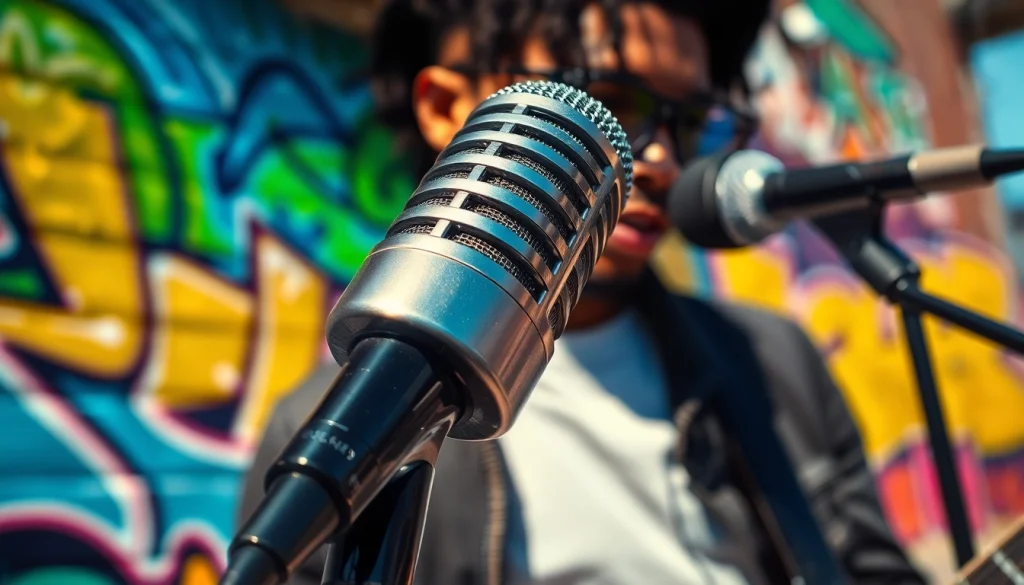
Understanding the MV88 Microphone
The ever-evolving landscape of mobile music production has brought various innovative tools to the forefront, and one of the standout products is the MV88 microphone by Shure. This compact and versatile microphone is designed specifically for musicians, podcasters, and anyone requiring high-quality audio in a portable format. Its ability to deliver professional-grade sound quality directly from a mobile device has made it a favorite among artists and audio engineers alike.
Key Features of the MV88
The MV88 microphone packs a variety of features that cater to both live and studio settings. Here are some of the key features:
- Adjustable Stereo Width: The MV88 has a built-in adjustable stereo width, allowing users to capture sound in a way that best suits the environment and application. Whether it’s a full band or solo instrument, you can tailor the audio capture to fit.
- Lightning Connector: Designed for iOS devices, the MV88 comes with a Lightning connector, making it compatible with iPhones and iPads for seamless use without the need for additional adapters.
- Integrated DSP (Digital Signal Processing): With five DSP preset modes—stereo, concert, flat, etc.—the MV88 can automatically adjust its sound capture based on the specific requirements of the recording environment.
- Compatible App: The ShurePlus MOTIV app enables full control over the microphone’s settings, including gain control, stereo width adjustment, and audio monitoring, facilitating an enhanced recording experience.
- Portability: The compact and lightweight design makes the MV88 perfect for songwriters and musicians who need to record on the go.
Advantages for Mobile Musicians
The MV88 is particularly advantageous for mobile musicians due to several factors:
- High-Quality Audio: Despite its small size, the MV88 delivers outstanding audio quality, rivaling that of larger studio microphones.
- Convenience: Its easy connectivity with mobile devices means that musicians can set up and start recording almost immediately, minimizing setup time and allowing for spontaneous creativity.
- Versatility: The adjustable stereo settings and various DSP modes mean that it can adapt to different musical genres and environments, making it an all-in-one solution for many artists.
- Cost-Effective: For those on a budget or just starting in mobile recording, the MV88 provides a cost-effective solution without sacrificing sound quality.
Comparison with Other Microphones
When comparing the MV88 to other microphones in its category, such as the Rode VideoMic Me and IK Multimedia iRig Mic HD, several distinctions become clear:
- Sound Quality: The MV88 often outperforms other options in terms of sound clarity and richness. Its design and DSP features allow for a more refined audio capture.
- Functionality: The bundled ShurePlus MOTIV app provides additional functionality that is not typically offered with competitors, enhancing the overall recording experience.
- Ease of Use: While other microphones may require additional adapters or are geared more towards specific types of recording (like video), the MV88’s versatility covers a broader range of use cases.
Setting Up Your MV88 for Optimal Performance
To make the most of the MV88’s capabilities, setting it up correctly is essential.
Connecting the MV88 to Your Device
The connection process for the MV88 is straightforward:
- Plug the Lightning connector into your iOS device. Ensure it’s securely connected.
- Open the ShurePlus MOTIV app, which should automatically recognize the microphone.
- Calibrate audio settings based on your recording requirements and environment.
Adjusting Settings for Different Environments
Utilizing the correct settings based on your recording environment will enhance your audio quality:
- For quiet environments like studios, use the ‘Flat’ preset to accurately capture sound without coloration.
- In more vibrant settings like live venues, consider using the ‘Concert’ mode for an expansive stereo image.
- Experiment with the stereo width to focus on specific sound sources, adjusting it to either capture a more immersive sound or narrow it down for clarity.
Tips for Using MV88 in Live Performances
When using the MV88 for live performances, keep these tips in mind:
- Conduct a soundcheck to adjust the microphone’s gain and ensure optimal levels are set before performing.
- Position the MV88 at an appropriate distance from the sound source (usually about 12 inches away) to capture sound without distortion.
- Use a windscreen if you’re recording outdoors to minimize wind noise.
Best Practices in Music Recording with MV88
To ensure you are recording at the highest quality with your MV88, follow these best practices:
Microphone Positioning Techniques
Proper microphone positioning is crucial for achieving the best sound. Consider these techniques:
- Distance: Maintain an optimal distance of about 6-12 inches from the sound source.
- Angle: Experiment with angles to see how they affect the sound capture. For vocals, a slight tilt upwards can help in capturing clearer highs.
- Environment: Choose a location free from noise distractions. Soundproofing your recording space can also enhance the quality.
Choosing the Right Environment for Recording
The recording environment significantly influences audio quality. Here are some points to consider:
- Avoid rooms with hard surfaces that could create excessive echo.
- Opt for rooms with carpets and furniture to absorb sound and minimize reflections.
- If outdoor recordings are necessary, select times with lower wind and ambient noise levels, preferably during calm weather.
Enhancing Audio Quality Post-Recording
Even with high-quality initial recordings, there’s always room for improvement. Here are some post-production techniques to consider:
- Utilize software to mix and master your recordings, balancing levels, and removing any unwanted noise.
- Consider equalization to enhance or correct frequencies, shaping your sound post-recording.
- Experiment with reverb and delay settings to add depth to your recording without overwhelming the original sound.
Real-world Applications of the MV88
The versatility of the MV88 makes it suitable for various applications, extending beyond simple music recording.
Interviews and Podcasts
The MV88 is an excellent choice for interviews and podcasting due to its quality and portability. Here’s how to make the most of it:
- Keep the microphone close to the speakers for clearer dialogue.
- Utilize the directional mode to focus on the interviewee’s voice, minimizing background noise.
- Consider recording in a quiet environment to reduce distractions and enhance the listening experience.
Field Recordings and Sound Design
Field recording artists can benefit immensely from the MV88:
- Its portability allows artists to capture spontaneous moments in the environment effortlessly.
- The adjustable settings make it easy to adapt to changing conditions, from bustling city streets to serene natural landscapes.
- Using stereo settings can create depth in recording that enriches sound design projects.
Live Concerts and Events
For musicians performing live, the MV88 offers convenience and quality:
- Set it up to capture full-band performances while still being able to move freely during a show.
- With its ability to distinguish between various sound sources, you can record dynamic performances with clarity.
- Use recordings for promotional purposes or as a tool for personal review and growth as an artist.
Measuring the Impact of Using MV88 Microphone
Understanding the impact that the MV88 microphone has on your work can be quantified through various metrics and user feedback.
User Feedback and Testimonials
User reviews highlight the ease of use and overall satisfaction with the sound quality of the MV88:
- Musicians: Many musicians rave about its performance during live sets, noting that they no longer need bulky equipment to achieve great sound.
- Podcasters: Users in the podcasting community appreciate its portability and sound quality, stating that it enhances the listener experience significantly.
Performance Metrics to Consider
When evaluating the MV88, consider these performance metrics:
- Recording fidelity compared to traditional studio microphones.
- User satisfaction ratings based on ease of setup, sound quality, and versatility.
- Number of successful recordings completed in various environments without needing extensive post-editing.
Future Trends in Mobile Recording Technology
As technology continues to evolve, so will the capabilities and applications of microphones like the MV88:
- The integration of artificial intelligence in audio processing may lead to even better sound quality and automated enhancement features.
- Wireless capabilities may improve mobility for performers on stage, allowing freedom of movement without compromising audio quality.
- As mobile devices become even more capable, the collaboration between hardware manufacturers and software developers will likely create even more powerful recording solutions.