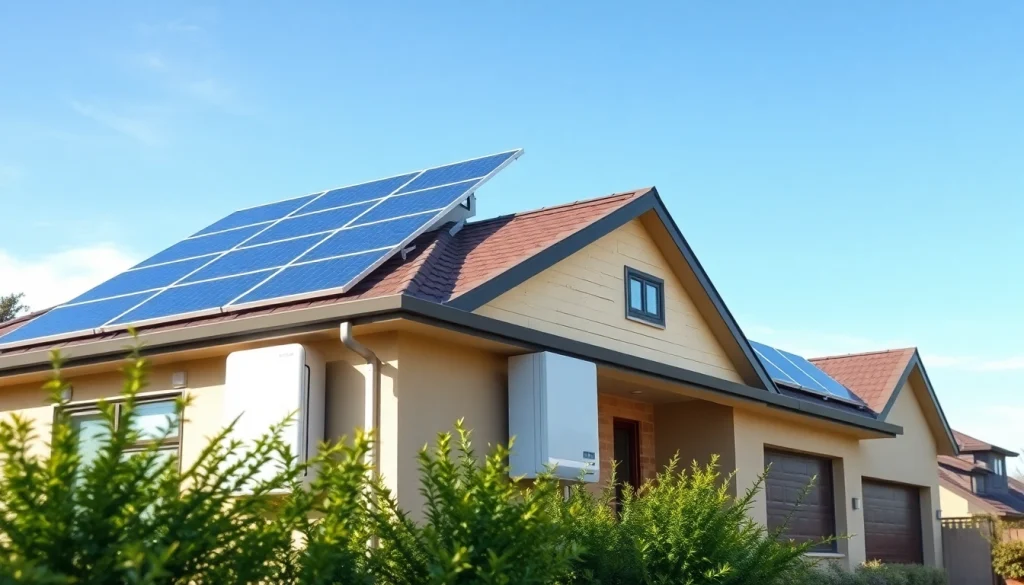
Understanding the 10kw Hybrid Solar System
The transition to renewable energy sources is more crucial than ever as homeowners seek sustainable ways to power their lives. Among various options, the 10kw hybrid solar system stands out due to its versatility, efficiency, and capacity to adapt to different energy needs. This system seamlessly integrates solar power generation, energy storage, and grid connectivity, making it a comprehensive solution for modern households aiming for energy autonomy.
What is a 10kw Hybrid Solar System?
A 10kw hybrid solar system combines the features of on-grid and off-grid systems, allowing homeowners to harness solar energy while having the flexibility to draw power from the grid when necessary. This system typically includes solar panels, an inverter, and a battery storage unit that stores surplus energy generated during the day for use at night or during power outages. With a generation capacity of around 30-50 kilowatt-hours per day, depending on sunlight availability, it can effectively power a medium to large-sized home, covering appliances from air conditioning systems to electric vehicles.
Core Components and Functionality
To understand the 10kw hybrid solar system, it’s necessary to examine its core components:
- Solar Panels: High-efficiency photovoltaic panels (often monocrystalline) convert sunlight into electricity. A common configuration might include 14 monocrystalline 550W solar panels.
- Hybrid Inverter: The system typically employs a hybrid inverter, such as the AF8K-TH, which manages the flow of energy between the solar panels, battery storage, and home appliances, optimizing usage and ensuring efficient energy distribution.
- Energy Storage System: A lithium-ion battery, such as a 20 kWh unit, stores excess energy. This ensures that energy is available during non-sunny hours, providing reliability and reducing dependency on the grid.
- Mounting Systems and Wiring: Proper installation is critical for maximizing solar panel efficiency. Reliable mounting structures and quality cables are crucial for safety and performance.
Benefits of Hybrid Systems
Hybrid solar systems offer several advantages over traditional systems:
- Energy Independence: With the capability to store energy, homeowners can reduce their reliance on the grid and enjoy uninterrupted power supply.
- Cost Savings: Leveraging solar energy can significantly reduce electricity bills, especially during peak times when energy rates are higher.
- Environmental Impact: By utilizing renewable energy, homeowners contribute to reducing their carbon footprint, promoting a greener planet.
Choosing the Right Hybrid Solar System for Your Home
Selecting a suitable hybrid solar system requires careful consideration of various factors to ensure it meets your energy needs and budget while offering long-term benefits.
Factors to Consider in Your Selection
When evaluating a 10kw hybrid solar system, consider the following:
- Energy Needs: Assess your household’s energy consumption patterns. This includes understanding peak usage times and identifying which appliances you require constant operation.
- Sunlight Availability: Evaluate the sunlight your property receives throughout the year. This includes considering any potential shading from trees or buildings.
- Budget: Costs can vary widely depending on system components and installation requirements. It’s essential to establish your investment capacity and compare options within that range.
- Brand Reputation: Opt for established brands known for reliability and customer service.
Popular Brands and Their Offerings
Several reputable manufacturers provide high-quality hybrid solar systems that cater to diverse needs:
- LG: Known for its high-efficiency solar panels and innovative battery solutions.
- SunPower: Offers robust systems with advanced monitoring capabilities and excellent warranties.
- Tesla: Famous for its Powerwall battery storage, Tesla also provides integrated solar systems with stylish designs.
Cost Analysis of 10kw Hybrid Solar Systems
The cost of a 10kw hybrid solar system varies based on several criteria:
- Panel Type: Monocrystalline panels are often more expensive but provide better efficiency.
- Installation Costs: Labor and installation complexity can impact total costs significantly.
- Battery Storage: The size and type of battery can account for a large portion of the upfront costs but provide long-term savings.
On average, homeowners can expect to invest between $22,000 to $30,000, factoring in potential government incentives and rebates available for solar installations.
Installation Process for a 10kw Hybrid Solar System
Proper installation is crucial for maximizing the efficiency and longevity of your hybrid solar system. Below are the key steps involved in the installation process.
Step-by-Step Installation Guide
Follow these steps for a successful installation:
- Site Assessment: A professional will evaluate your property to recommend the optimal system design.
- Permits and Approvals: Obtain necessary permits from local authorities and utility companies.
- Panel Installation: Mount solar panels on your roof or a ground-mounted structure.
- Inverter and Battery Setup: Install the inverter and connect the battery storage unit to the system.
- Wiring and Connections: Ensure all electrical connections adhere to local codes, enhancing safety and efficiency.
- System Testing: Conduct thorough testing to confirm everything is operational before going live.
Common Challenges and Solutions
During installation, several challenges may arise, but with the right approach, they can be managed effectively:
- Weather Delays: Adverse weather can postpone installation timelines; having a flexible schedule helps.
- Shading Issues: Address potential shading from nearby trees or buildings with proper site planning and panel orientation.
- Permitting Delays: Engage with local authorities early to ensure a smooth permitting process.
Post-Installation Maintenance and Support
After installation, maintaining your hybrid solar system is essential for optimal performance:
- Regular Inspections: Schedule routine checks to ensure all components are functioning correctly.
- Panel Cleaning: Clean solar panels periodically to maintain efficiency, especially in dusty environments.
- Battery Care: Monitor battery health through the inverter’s real-time monitoring app, addressing any issues promptly.
Optimizing Energy Production with Your 10kw System
To maximize the energy output from your 10kw hybrid solar system, implementing effective monitoring and optimization strategies is key.
Monitoring Power Generation Effectively
Real-time monitoring provides insights into your system’s performance, enabling you to make informed decisions about energy usage. Most modern inverters come with apps or web-based platforms that allow homeowners to track:
- Daily and monthly energy production metrics.
- Battery storage levels and consumption rates.
- Grid interaction and energy exports.
Strategies for Maximizing Efficiency
To enhance the efficiency of your solar system:
- Optimize Panel Orientation: Ensure that panels are tilted at an angle that maximizes sunlight capture.
- Schedule Energy Use: Run high-energy appliances during daylight hours to utilize solar power.
- Invest in Smart Home Technology: Integrate devices that optimize energy use based on solar production.
Integration with Smart Home Devices
Upgrading your home with smart technology can optimize your energy management:
- Smart Thermostats: Programmable devices can adjust heating and cooling based on energy availability.
- Energy Monitors: These devices analyze energy consumption patterns, providing insights for further optimization.
- Home Automation Systems: Systems that integrate with solar power can automate energy usage, maximizing savings.
The Future of Hybrid Solar Systems and Trends for 2025
The future looks promising for hybrid solar systems, with ongoing innovations and advancements expected to transform the market.
Emerging Technologies in Solar Energy
Several emerging technologies are set to enhance hybrid solar systems:
- Bifacial Solar Panels: These utilize both sides to capture sunlight, increasing overall efficiency.
- Advanced Battery Technologies: Innovations in battery technology, including solid-state batteries, promise greater storage capacity and faster charging.
- Artificial Intelligence: AI can optimize energy consumption patterns, predict power generation, and manage resources more effectively.
Predictions for Market Growth and Consumer Adoption
The market for hybrid solar systems is projected to grow significantly, driven by increased consumer awareness and government incentives:
- Incentives: Continued government programs supporting renewable energy adoption will encourage homeowners to switch.
- Cost Reductions: As technology improves, the costs associated with hybrid systems are expected to decrease, making them more accessible.
- Consumer Demand: Rising energy costs and a growing environmental consciousness are compelling more consumers to consider solar solutions.
Environmental Impact and Sustainability Goals
Adopting hybrid solar systems contributes to broader sustainability goals:
- Reduction of Carbon Footprint: By utilizing solar energy, households can significantly lower their greenhouse gas emissions.
- Support for Renewable Energy Goals: Increased use of solar energy aligns with global targets for renewable energy adoption and climate change mitigation.