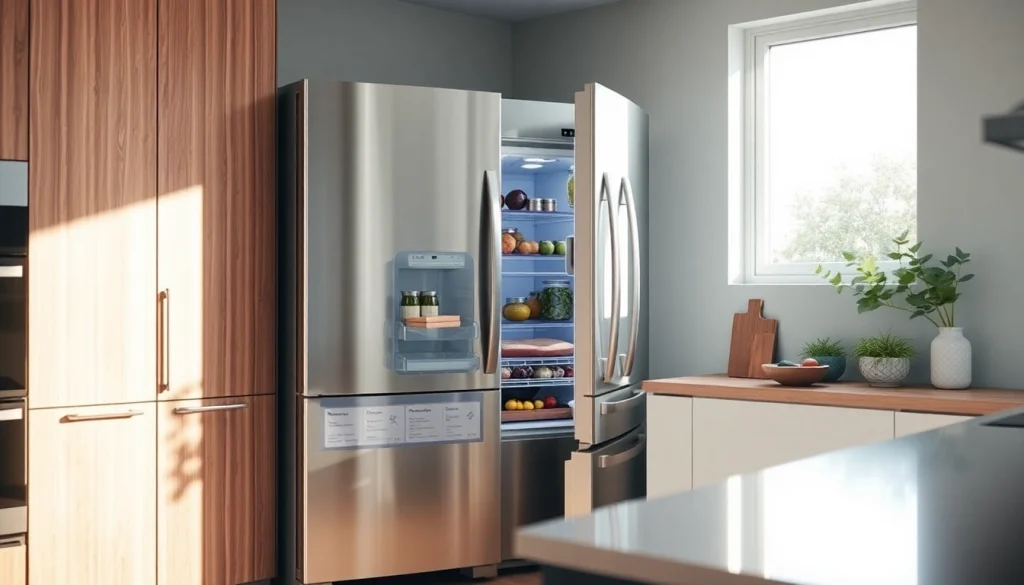
When it comes to selecting a kitchen appliance that has a significant impact on your daily life and overall household efficiency, the refrigerator stands out as a key choice. Beyond just a mere storage space for perishable items, the refrigerator interacts with our meals and cooking, making its role in the home invaluable. This article delves deeply into the various types of refrigerators, essential considerations when purchasing, practical maintenance tips, innovative features, and frequently asked questions, enabling you to make an informed decision that suits your lifestyle.
Understanding Different Types of Refrigerator
Top-Freezer Refrigerator: Advantages and Features
The top-freezer refrigerator is a classic design that offers numerous benefits, making it a popular choice among households. As the name suggests, this type features a freezer compartment situated above the refrigerator section.
- Affordability: Top-freezer models are generally more budget-friendly compared to other designs, making them an attractive option for those seeking value.
- Space Efficiency: With a streamlined, often smaller footprint, top-freezer refrigerators can fit seamlessly into compact kitchens.
- Energy Efficiency: These refrigerators typically consume less energy, which translates to lower electricity bills over time.
Additionally, their design allows easier access to both the refrigerator and freezer compartments, making organization straightforward. This layout also tends to reduce bending, which can be beneficial for individuals with mobility issues.
Side-by-Side Refrigerator: Pros and Cons
Side-by-side refrigerators feature two vertical sections: one for refrigeration and one for freezing. This design offers its own unique set of advantages and drawbacks.
- Accessibility: The side-by-side design allows easy access to both the fridge and freezer compartments without having to open two separate doors.
- Storage Flexibility: Many models come equipped with adjustable shelves, door bins, and ice or water dispensers, enhancing overall usability.
- Compact Design: Side-by-side refrigerators generally require less clearance to open, making them suitable for smaller spaces.
However, they do pose some challenges, such as narrower compartments which can make storing larger items cumbersome and a higher price point compared to models like top-freezers.
French Door Refrigerator: A Stylish Option
The French door refrigerator blends functionality with style, featuring two doors that open up to reveal the fridge and a drawer-style freezer at the bottom.
- Elegant Appearance: A French door refrigerator adds a modern aesthetic to any kitchen, making it a popular choice for homeowners.
- Wider Shelving: With spacious shelves, storing large platters and beverages is straightforward, ensuring better organization.
- Energy Savings: The design usually focuses on energy efficiency, contributing to lower utility bills overall.
Despite their advantages, these refrigerators are among the pricier options and typically require more floor space, which might not be suitable for compact kitchens.
Key Considerations When Buying a Refrigerator
Space and Kitchen Layout Factors
Before settling on a specific model, it’s essential to assess the available space in your kitchen. Measure the dimensions of the intended spot for your refrigerator, ensuring there is ample room for door openings and ventilation. Consider your kitchen’s layout; a side-by-side model may work best in narrow spaces, while a French door refrigerator could suit larger, more open areas.
Energy Efficiency Ratings Explained
Energy efficiency is a crucial consideration when choosing a refrigerator as it directly impacts electricity consumption. Look for models certified by the ENERGY STAR program, which ensures the appliance meets energy efficiency standards. Understanding energy consumption can help offset operational costs over time, leading to significant savings on monthly utility bills.
Essential Features to Look For
Several features can enhance the functionality of your refrigerator. Key selections may include:
- Adjustable Shelves: Flexibility in shelf height allows for better space management.
- Humidity-Controlled Drawers: These drawers keep fruits and vegetables fresh longer by regulating moisture levels.
- Icemakers and Water Dispensers: Built-in options for easy access to ice and chilled water are convenient.
- Smart Features: Consider features like temperature management apps that help you monitor and control settings remotely.
Maintenance Tips to Extend Your Refrigerator’s Lifespan
Regular Cleaning Techniques
Cleaning your refrigerator regularly not only maintains hygiene but also ensures its durability. Use a soft cloth and mild detergent for the exterior, while the interior can be cleaned with a mixture of water and baking soda. Also, clean the condenser coils at least twice a year to improve energy efficiency.
Temperature Settings and Energy Consumption
It’s essential to set your refrigerator temperature to around 35-38°F (1.7-3.3°C), while the freezer should be at 0°F (-18°C). Regularly check temperature settings to ensure optimal performance and avoid excessive energy consumption.
Signs Your Refrigerator Needs Repair
Identifying issues early can save on costly repairs. Common signs include unusual noises, inconsistent temperatures, leakage under the unit, or a noticeable increase in electricity bills. If these symptoms arise, consider consulting a technician for troubleshooting and repair.
Innovative Features in Modern Refrigerators
Smart Technology: Is It Worth It?
Smart refrigerators are equipped with Wi-Fi connectivity, allowing you to manage functions via smartphone apps. These features can be highly beneficial—sending alerts for temperature changes or monitoring food supplies can enhance day-to-day grocery planning. Nevertheless, they come with higher upfront costs, so evaluate your needs and lifestyle before making a decision.
Convertible Refrigerators: Flexibility in Design
Convertible refrigerators allow you to switch between refrigeration and freezing functions, providing more flexibility for storage. This adaptability can be especially useful in households with varying food storage needs, as it maximizes functionality based on what you require at any given time.
Water and Ice Dispensers: Convenience Overview
Integrated water and ice dispensers provide immediate access to cool beverages, enhancing convenience, especially in family settings. Some models even offer filtered water options, significantly improving drinking water quality. However, consider the potential need for maintenance and cleaning associated with these features.
Frequently Asked Questions About Refrigerators
What is the difference between a fridge and refrigerator?
A fridge is a more informal term for a refrigerator, typically referring to smaller units, while ‘refrigerator’ encompasses larger appliances designed for a variety of cooling functionalities.
How much will a refrigerator cost me?
Pricing varies widely based on type and features. Average costs range from $750 for bottom-freezer models to over $12,000 for built-ins. Consider your budget versus features when selecting a model.
What size refrigerator do I need for my home?
Size requirements depend on family size and available space. Generally, a refrigerator with a capacity of 18-25 cubic feet fits most families, whereas larger households may benefit from models that exceed this range for adequate storage.
How often should I clean my refrigerator?
It is advisable to clean your refrigerator inside and outside every 3-6 months. Frequent organization and disposal of expired items should occur weekly to maintain freshness and cleanliness.
What features should I consider before purchasing?
Evaluate your needs for cooling space, energy efficiency, smart technology, and convenience features such as ice makers and water dispensers. Prioritize features that will genuinely enhance your daily life and kitchen function.