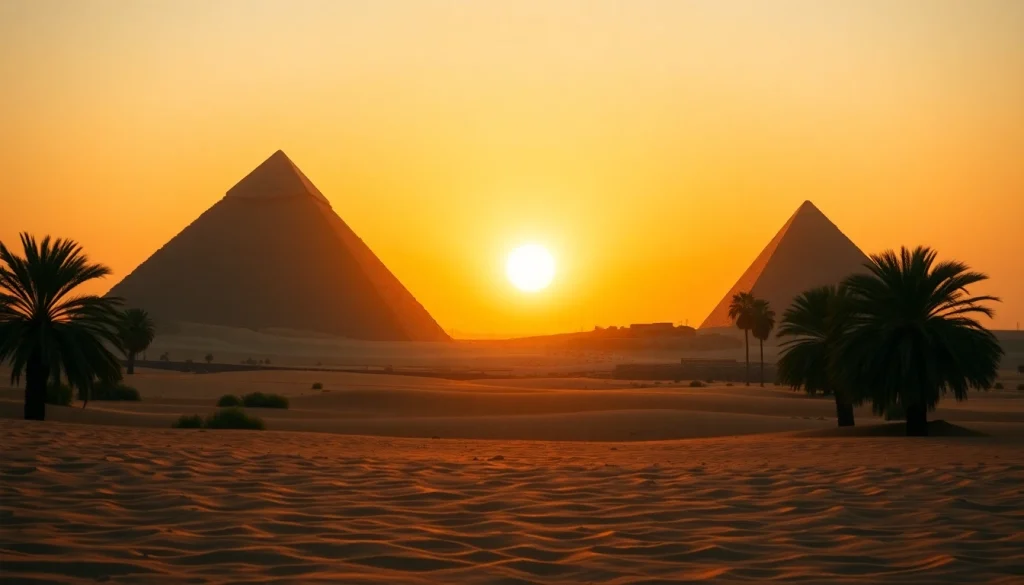
Introduction to the Pyramids of Giza
The Pyramids of Giza stand as some of the most remarkable architectural feats from ancient times, capturing the imagination and curiosity of people for centuries. Located on the Giza Plateau, these ancient structures were built as monumental tombs for the pharaohs during the Fourth Dynasty of the Old Kingdom of Egypt, approximately 2600 to 2500 BCE. A vibrant blend of history, culture, and mystery surrounds these magnificent structures. Their construction techniques, purposes, and the civilization behind them continue to fascinate historians and archaeologists alike. For a more in-depth understanding of these marvels, you may explore https://piraminds.com/.
Understanding Their Historical Context
The Pyramids of Giza were built during a time of great prosperity in ancient Egypt, a period when pharaohs wielded immense power and resources. The Giza pyramid complex, which includes three primary pyramids—Khufu, Khafre, and Menkaure—was constructed on the west bank of the Nile River, symbolizing the pharaohs’ beliefs in the afterlife and their divine connection to the gods. It is within this historical context that we can appreciate why such grand structures were necessary, both as tombs and as political statements of power and stability.
Key Characteristics of the Pyramids
The pyramids exhibit remarkable architectural precision. The Great Pyramid of Khufu, the largest of the three, was originally 146.6 meters high and was the tallest man-made structure in the world for over 3,800 years. Each side of the base of this pyramid measures approximately 230 meters, constructed from roughly 2.3 million blocks of limestone and granite. The use of precise calculations, alignment with the cardinal points, and advanced engineering made these structures not only monumental in scale but also significant in their design.
The Role of the Pyramids in Ancient Egyptian Culture
The pyramids served as more than just tombs; they were an integral part of the Egyptians’ belief in the afterlife. The Egyptians believed that after death, the pharaohs would ascend to the heavens and join the gods. Thus, the pyramids were designed to facilitate this journey, featuring intricate burial chambers, offering shafts, and passages intended for the deceased’s spirits. Additionally, the surrounding temples and mortuary structures reflect the religious rituals and practices that support this belief system.
Construction Techniques of the Pyramids
Tools and Materials Used
Constructing the pyramids required sophisticated tools and materials. The builders utilized copper chisels, wooden sledges, and levers to quarry and transport the massive stone blocks. The primary material used was limestone, quarried locally for its abundance and suitability. Granite was used for certain interior chambers and parts of the pyramids, illustrating a keen understanding of material properties and their strength.
The Engineering Marvels Behind Their Design
The engineering behind the pyramids is a testament to ancient Egyptian ingenuity. The precise alignment of the pyramids not only demonstrates advanced mathematical knowledge but also reflects astronomical observations. The positioning of the pyramids was likely intended to align with key stars and celestial events, reinforcing their connection to the divine. Moving the immense stones into place required innovative techniques still debated today, showing a Marvel-like combination of creativity and practicality.
Labor Force: Who Built the Pyramids?
Contrary to popular belief, the labor force responsible for building the pyramids comprised skilled workers, farmers, and seasonal laborers who contributed to the construction during the Nile’s flooding season when agricultural work was impossible. These laborers were well-fed and housed, standing as a symbol of national pride rather than just a mere workforce. They were organized in shifts and worked under skilled foremen, ensuring that each aspect of the construction was performed efficiently.
Mysteries Surrounding the Pyramids
Theories on Their Purpose and Function
The purpose of the pyramids extends beyond mere tombs. Various theories suggest they functioned as astronomical observatories, representing the pharaoh’s divine status, or as part of expansive mortuary complexes. Each theory presents compelling evidence supporting its validity, contributing to the ongoing debate among historians and archaeologists about the true intents behind these monumental structures.
Recent Discoveries and Findings
Recent archaeological discoveries, including hidden chambers and shafts within the pyramids, continue to reshape our understanding of their construction and use. Techniques such as thermal scanning and cosmic rays have unveiled new insights, proposing the existence of previously unknown components that might have served specific ceremonial purposes. These findings challenge our historical narratives and invite further inquiry into the sophisticated engineering and function of these structures.
The Latest Scientific Investigations
Modern science plays an essential role in unlocking the mysteries of the pyramids. Advanced imaging technologies such as muon tomography, which detects particles from cosmic rays, have allowed researchers to visualize the interiors of the pyramids without excavation. These investigations provide a glimpse into the structural organization of the pyramids and potentially yield answers to longstanding questions about their construction techniques.
Visiting the Pyramids of Giza
Best Times to Visit
The best times to visit the Pyramids of Giza are during the cooler months, specifically from November to February. During this period, the temperatures are more bearable, allowing visitors to explore the site comfortably. It is advisable to visit early in the morning or later in the afternoon to avoid peak tourist crowds and the midday heat.
Tourist Attractions Near the Pyramids
In addition to the pyramids themselves, the surrounding Giza area offers various attractions worth exploring. The Great Sphinx, a colossal limestone statue with the body of a lion and the head of a pharaoh, is a must-see. Additionally, the Solar Boat Museum, housing a well-preserved ancient Egyptian vessel meant for the afterlife, provides a unique glimpse into Egyptian funerary practices.
Tips for an Enriching Experience
For an enriching experience at the Pyramids of Giza, consider hiring a knowledgeable tour guide who can provide historical context and insights about the site. Wearing comfortable shoes is essential, as visitors can expect extensive walking over uneven terrain. Bring plenty of water, wear sunscreen, and ensure you have a camera to capture the stunning scenery, but remember to respect the site’s historical significance by not climbing on the pyramids.
FAQs about the Pyramids of Giza
What were the pyramids used for?
The pyramids were primarily built as tombs for pharaohs to ensure a successful transition to the afterlife and to demonstrate their power and divine nature.
How long did it take to build a pyramid?
The construction of the Great Pyramid of Khufu took approximately 20 years, employing tens of thousands of skilled laborers and support staff.
Are there any hidden chambers in the pyramids?
Recent discoveries suggest that hidden chambers may exist within the pyramids, revealing new insights into their construction and use.
Can you enter the pyramids?
Visitors are allowed to enter some of the pyramids, notably the Great Pyramid of Khufu, but access may be limited and regulated.
What is the history behind the Great Pyramid?
The Great Pyramid was built for Pharaoh Khufu around 2580 BCE and is the largest of the three main pyramids, symbolizing the peak of ancient Egyptian architectural achievement.