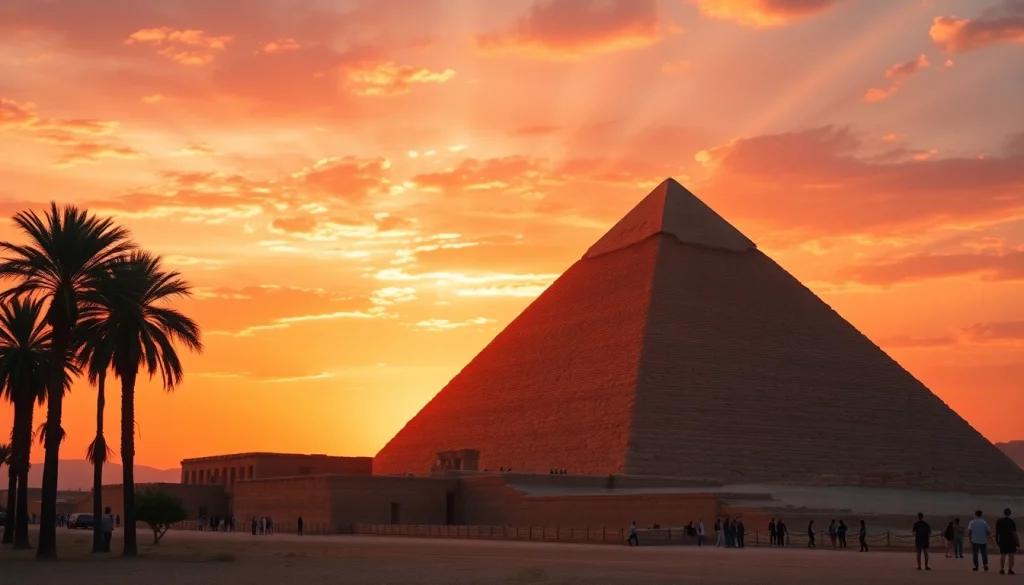
Introduction to the Pyramids of Giza
The Pyramids of Giza stand as monumental testaments to the ingenuity and ambition of ancient Egyptian civilization. Constructed thousands of years ago, these iconic structures have captivated generations with their architectural prowess and historical significance. At the heart of Egypt’s cultural legacy, Giza’s pyramids are not merely tombs but complex symbols of a society deeply engaged with the concepts of life, death, and the afterlife. For those seeking more in-depth insights into these incredible edifices, the comprehensive resource at https://piraminds.com/ provides a wealth of information.
Historical Context and Significance
The Pyramids of Giza, primarily the Great Pyramid, were built during Egypt’s Fourth Dynasty, around 2580-2560 BC for Pharaoh Khufu. These structures are among the last remaining members of the Seven Wonders of the Ancient World and serve as a link to the rich history of the Old Kingdom. Their creation marked the zenith of pyramid construction in Egypt, showcasing a blend of architectural innovation and advanced engineering skills. The pyramids were built more than mere tombs; they embodied the Egyptians’ religious beliefs and their perceptions of the afterlife. As such, they played a crucial role in burial practices and the glorification of the pharaohs, who were considered divine.
The Construction Techniques Used
The construction of the pyramids has long been shrouded in mystery and debate. Researchers have proposed various theories regarding how these enormous structures were completed, considering factors such as the size of the stones, the workforce, and the techniques employed. One widely accepted theory suggests that large stone blocks, weighing several tons, were transported from quarries nearby using sledges and lubricated pathways to reduce friction. Intriguingly, recent studies have unearthed evidence of a sophisticated organization of laborers, hinting at a well-planned project management strategy involving thousands of skilled workers, not slaves as earlier believed.
What Sets Giza’s Pyramids Apart
While many pyramids dot the landscape of Egypt, Giza’s Pyramids are remarkable for their scale, precision, and alignment with celestial bodies. The Great Pyramid, in particular, originally standing at 146.6 meters, was the tallest man-made structure for over 3,800 years. Its accurate placement in relation to the cardinal points is still analyzed, leading scholars to believe that ancient Egyptians had advanced astronomical knowledge. Besides their architectural brilliance, the Giza pyramids showcase unique burial chambers, grand descending passages, and remarkable inner structures, all of which contribute to their status as unmatched wonders of antiquity.
The Architectural Marvel of the Pyramids
Design and Structure Overview
The design of the Pyramids of Giza is more than striking; it reflects profound philosophical and religious beliefs. The square base of the pyramids symbolizes the Earth, while the pointed apex represents the rays of the sun, indicating a connection to Ra, the sun god. The architectural layout was meticulously planned; the three main pyramids—Khufu, Khafre, and Menkaure—are aligned precisely on the Giza Plateau. Each pyramid contains a series of chambers and passages, designed to safeguard the pharaoh’s remains and ensure their safe passage to the afterlife.
Materials Used in Construction
The primary materials utilized for the construction of the pyramids were limestone and granite. The core of the Great Pyramid was built with limestone blocks, while the outer casing was composed of Tura limestone, designed to reflect sunlight and make the pyramid gleam like a jewel in the desert. For internal chambers and burial sites, granite, quarried from Aswan, was utilized due to its durability. These materials were not only chosen for their robustness but also for their profound symbolism within Egyptian culture, related to eternity and the afterlife.
Alignment with Celestial Bodies
The alignment of the Pyramids of Giza is another aspect that has intrigued historians and archaeologists. The Great Pyramid is aligned with extraordinary precision to the cardinal points, which raises questions about the astronomical knowledge possessed by the ancient Egyptians. The layout of the pyramids may have been conceived to align with significant stars and constellations, reinforcing the belief in an afterlife and the significance of stellar bodies in Egyptian mythology. This close association with celestial patterns suggests that the ancient Egyptians viewed the cosmos as an integral part of life and death.
Archaeological Discoveries Related to Giza
Recent Excavations and Findings
In recent years, archaeological research at the Giza Plateau has yielded significant discoveries, contributing to our understanding of these iconic structures. Advanced technologies like ground-penetrating radar and 3D scanning have unveiled hidden chambers and passageways within and around the pyramids. One of the most groundbreaking findings includes the identification of a “void” within the Great Pyramid, indicating there may be yet-unknown areas awaiting exploration. These ongoing excavations promise to shed more light on the construction techniques, labor organization, and daily life during the pyramid-building era.
Unearthed Artifacts and Their Meaning
Alongside the pyramids, numerous artifacts have surfaced that offer crucial insights into the lives of those who designed and built these structures. Items such as pottery, tools, and hieroglyphs found in nearby workers’ cemeteries indicate a strong cultural heritage and elaborate burial practices. These findings suggest that the builders were respected members of society, as their graves contained valuable items for the afterlife, highlighting the social dynamics at play in ancient Egyptian civilization.
Significance of Tombs and Burial Practices
The pyramids were designed as grand tombs, but their significance extended far beyond merely housing the remains of pharaohs. They were central to elaborate funerary practices, involving rituals believed to ensure safe passage into the afterlife. The rich burial customs, including offerings, mummification, and the inclusion of everyday items within tombs, reflect deeply held beliefs regarding death and the continuation of existence beyond it. The presence of the pyramids served to not only protect the deceased but also to glorify their lives and deeds, reinforcing their eternal legacy.
Visiting the Giza Pyramids: A Tourist’s Guide
Best Times to Visit and What to Expect
The Giza Pyramids attract millions of visitors from around the globe each year, making careful planning essential for an enjoyable experience. The best times to visit are during spring (March to May) and autumn (September to November) when temperatures are milder. Tourists can expect breathtaking views, guided tours that illuminate historical insights, and opportunities for photography that capture the grandeur of these ancient wonders amidst the backdrop of the Sahara desert.
Tips for Visitors
To maximize the visit to the Pyramids of Giza, consider the following tips:
- Arrive early in the morning to avoid crowds and heat.
- Wear comfortable clothing and sturdy shoes suitable for walking on sandy terrain.
- Bring ample water and sun protection, such as hats and sunscreen.
- Consider hiring a knowledgeable guide for a richer historical context.
- Respect the site by refraining from climbing on the pyramids or disturbing the artifacts.
Nearby Attractions to Explore
Beyond the pyramids, the Giza Plateau offers numerous attractions worth exploring. The nearby Great Sphinx, an enigmatic limestone statue featuring a lion’s body and a human head, is an iconic symbol of ancient Egypt. Visitors can also explore the Solar Boats Museum, housing fabulous boats believed to have belonged to Pharaoh Khufu. Just a short drive away, the bustling markets and rich culture of Cairo offer additional experiences such as the Egyptian Museum, filled with ancient artifacts and treasures.
Conclusion: The Legacy of the Pyramids of Giza
The Pyramids’ Influence on Culture and History
The influence of the Pyramids of Giza extends far beyond their architectural brilliance. They have shaped cultural narratives, inspired countless works of art, literature, and exploration, and have become symbols of national pride in Egypt. The enduring legacy of these monuments continues to fascinate modern society and draws tourists and scholars eager to unlock their secrets.
Preservation Efforts for Future Generations
As global interest in the pyramids grows, so does the need for their preservation. Efforts by government and international organizations focus on protecting these ancient structures from environmental damage, urban encroachment, and tourism-related wear and tear. Maintaining the integrity of the pyramids is vital for future generations to appreciate this profound aspect of human history.
What We Can Learn from Their Enduring Presence
The Pyramids of Giza serve as a reminder of the capabilities of ancient civilizations and their ability to harmonize architectural innovation with spiritual purpose. They inspire us to consider the dialogues between past and present and encourage a deeper understanding of humanity’s capacity for creativity, endurance, and reverence for life. As ongoing research and exploration continue to reveal new insights, the fascination with these ancient structures is sure to thrive.
FAQs
What are the Pyramids of Giza?
The Pyramids of Giza are three monumental tombs built for Pharaohs Khufu, Khafre, and Menkaure during Egypt’s Fourth Dynasty, showcasing advanced ancient engineering.
How were the Pyramids of Giza built?
The pyramids were constructed using large stone blocks transported from nearby quarries, utilizing techniques such as sledges and ramps, built by skilled laborers.
What materials were used in the construction?
Primarily limestone and granite were used. The outer casing was Tura limestone, while granite was used for burial chambers due to its durability.
Why are the Pyramids aligned with the stars?
The alignment reflects the ancient Egyptians’ astronomical knowledge, which they connected with their religious beliefs—particularly regarding life after death.
When is the best time to visit the Pyramids?
The best times to visit are during spring or autumn when temperatures are mild, avoiding the extreme heat of summer.