Understanding Vegan Astaxanthin: The Basics
Vegan astaxanthin is rapidly gaining traction as a powerhouse in the world of dietary supplements, particularly among health-conscious individuals looking for plant-based options. Extracted from algae and certain yeast, astaxanthin is a carotenoid that offers numerous health benefits, making it highly sought after in vegan nutrition. As the demand for sustainable and plant-derived supplements continues to rise, understanding the unique properties and advantages of vegan astaxanthin becomes essential for consumers aiming to enhance their well-being.
What is Vegan Astaxanthin?
Astaxanthin is a naturally occurring pigment that belongs to the carotenoid family, responsible for the pink and red colors found in various marine animals like salmon and shrimp. However, vegan astaxanthin is derived exclusively from microalgae, primarily Haematococcus pluvialis, ensuring it meets the dietary preferences of those following a vegan lifestyle. Unlike synthetically produced astaxanthin, the vegan version is not only a more ethical choice but also offers enhanced bioavailability and health benefits.
Benefits of Vegan Astaxanthin for Health
The health benefits of vegan astaxanthin are backed by a growing body of research. This powerful antioxidant is known to combat oxidative stress, support skin health, and enhance athletic performance. Some of the key benefits include:
- Antioxidant Properties: Astaxanthin exhibits remarkable antioxidant capabilities, significantly more potent than other carotenoids like beta-carotene and lutein.
- Skin Health: Studies suggest that astaxanthin can improve skin elasticity, reduce the appearance of fine lines, and protect against sun damage.
- Eye Health: This carotenoid may help in preventing eye strain and fatigue, contributing to overall ocular health.
- Anti-Inflammatory Effects: Vegan astaxanthin has anti-inflammatory properties, reducing chronic inflammation linked to various diseases.
How Is Vegan Astaxanthin Produced?
The production of vegan astaxanthin involves cultivating specific strains of microalgae under controlled conditions. These algae are grown in photobioreactors, where they are exposed to light and nutrients, allowing them to naturally produce astaxanthin as a protective measure against environmental stressors. Once harvested, the algae undergo processing to extract the astaxanthin, which is then formulated into supplements or powders for consumer use. This sustainable production method is not only eco-friendly but also guarantees purity and quality in the final product.
Current Trends in Vegan Nutrition
Vegan nutrition is experiencing a significant shift as more individuals seek to adopt healthy, sustainable lifestyles. The popularity of plant-based diets continues to grow, driven by concerns over health, environmental impact, and animal welfare. One notable trend is the increasing incorporation of supplements like vegan astaxanthin into daily routines to enhance health and vitality.
Rising Popularity of Plant-Based Diets
As awareness of the health benefits of plant-based diets spreads, more consumers are opting for vegan and vegetarian alternatives. This shift is not only about dietary choices but also how individuals perceive health. Foods rich in antioxidants, such as astaxanthin, are becoming integral to maintaining overall well-being in this new era of nutrition.
Integrating Vegan Astaxanthin into Daily Routines
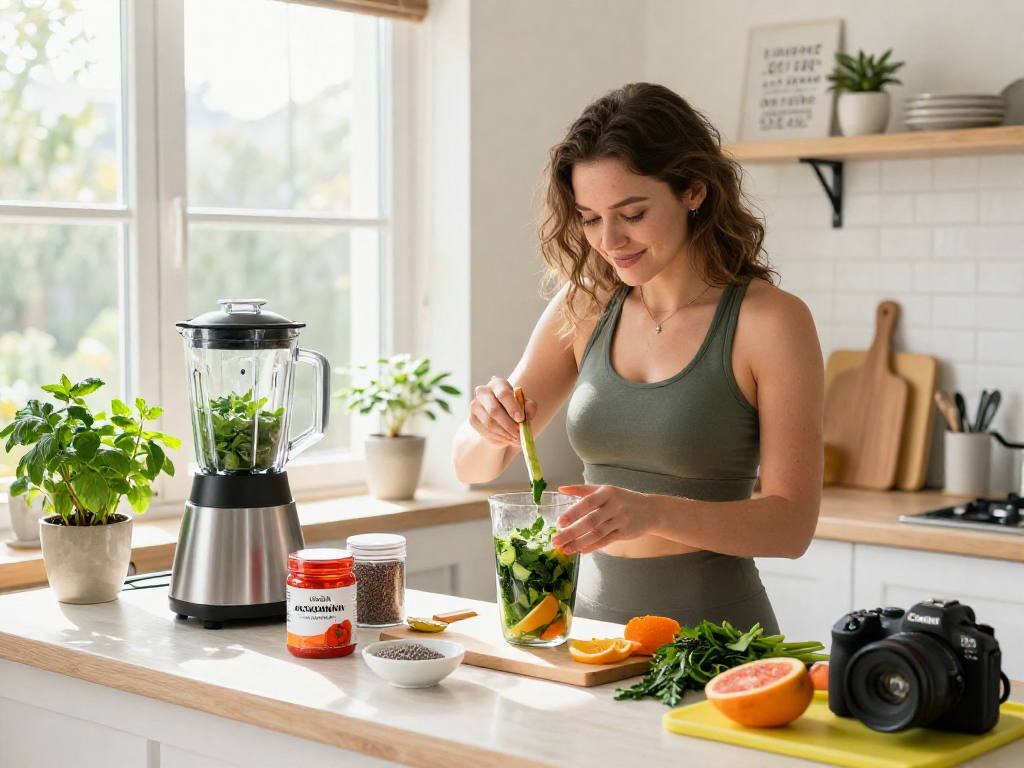
Incorporating vegan astaxanthin into your daily regimen can be simple and beneficial. Whether through supplements, smoothies, or culinary dishes, astaxanthin can enhance nutritional intake effortlessly. Health enthusiasts are increasingly blending astaxanthin powder into their breakfast bowls or using it to create vibrant salad dressings.
Consumer Demand for Sustainable Supplements
With rising environmental consciousness, there is heightened consumer demand for sustainable and ethically sourced supplements. Vegan astaxanthin fits seamlessly into this trend, offering a green alternative to traditional supplements. Brands focusing on transparency in sourcing and sustainability are likely to attract the modern, eco-aware consumer.
Addressing Common Misconceptions
As vegan astaxanthin gains popularity, several misconceptions may arise. Addressing these myths is crucial in ensuring consumers make informed decisions regarding their health.
Is Vegan Astaxanthin Safe?
One of the most common concerns is the safety of astaxanthin supplements. Research indicates that vegan astaxanthin is safe for most individuals when taken at recommended dosages. Additionally, it does not exhibit the adverse effects that some synthetic supplements might present.
Can It Replace Other Nutrients?
While astaxanthin provides numerous health benefits, it should not be viewed as a substitute for a balanced diet. Instead, it can complement a diverse array of nutrients necessary for optimal health, including vitamins and minerals from whole foods.
Myths Surrounding Supplement Dosages
Another prevalent myth is regarding the dosage of astaxanthin. Many consumers believe that more is better; however, it’s essential to follow recommended guidelines. Typical dosages range from 4-12 mg per day, depending on health needs and goals. Consulting a healthcare provider for personalized recommendations is always advisable.
Best Practices for Incorporating Vegan Astaxanthin
To maximize the benefits of vegan astaxanthin, consumers should follow best practices in its selection and incorporation into their diets. Understanding what to look for in a supplement can ensure optimal health outcomes.
How to Select High-Quality Astaxanthin Products
Choosing high-quality astaxanthin is vital for effectiveness. Look for products that specify their source, ideally derived from Haematococcus pluvialis, and ensure they are certified vegan and free from additives. Transparency in sourcing and production processes is a good indicator of product quality.
Creative Recipes with Vegan Astaxanthin
Integrating vegan astaxanthin into meals can be an enjoyable culinary adventure. Try adding astaxanthin powder to:
- Smoothies for a vibrant color and nutrient boost.
- Homemade energy bars for a healthy snack.
- Soups and sauces for added flavor and health benefits.
Daily Dosage Recommendations and Monitoring
Monitoring your intake of vegan astaxanthin is essential for achieving desired health benefits. Start with the recommended dosage and adjust based on personal health goals and dietary needs. Keeping a journal can assist in tracking any changes in energy levels, skin health, or athletic performance.
The Future of Vegan Astaxanthin: Predictions for 2026
As we move towards 2026, the landscape of vegan astaxanthin is poised for significant advancements, driven by ongoing research and market dynamics. The future looks promising, with innovations expected in production techniques and health applications.
Emerging Research and Innovations
Continuous research into the benefits of astaxanthin is likely to lead to new applications, particularly in beauty and anti-aging products. The growing focus on personalized nutrition may also drive innovations in astaxanthin formulations tailored to individual health needs.
Market Trends in Vegan Supplements
The market for vegan supplements is anticipated to expand, with more brands entering the space. Consumers are likely to demand transparency, sustainability, and quality, which will influence product development significantly.
Potential Health Benefits to Look Out For
Looking ahead, potential health benefits of astaxanthin may extend beyond what is currently known. Emerging studies may unveil new protective effects against various chronic diseases, highlighting astaxanthin as a critical component of health and wellness strategies in the future.
What are the main benefits of vegan astaxanthin?
The main benefits of vegan astaxanthin include its potent antioxidant properties, skin health improvements, support for eye health, and reduction of inflammation, making it a versatile supplement in vegan nutrition.
How can I include vegan astaxanthin in my diet?
You can include vegan astaxanthin in your diet through supplements, smoothies, or by adding it to recipes like energy bites and salad dressings.
Is vegan astaxanthin effective for skin health?
Yes, vegan astaxanthin is effective for skin health, improving elasticity, hydration, and offering protection against UV damage, thus promoting youthful skin.
What should I consider when choosing vegan astaxanthin supplements?
When selecting vegan astaxanthin supplements, consider the source of the astaxanthin, certifications for quality and vegan standards, and any additional ingredients that may impact the product's efficacy.
What are the latest trends in vegan nutrition for 2026?
Latest trends in vegan nutrition for 2026 include a focus on sustainable sourcing, plant-based alternatives to traditional supplements, and a rise in demand for high-quality, effective products like vegan astaxanthin.