Introduction to Laminate Flooring
In today’s rapidly evolving home improvement landscape, laminate flooring has emerged as a popular choice for both homeowners and renters looking to enhance the aesthetic appeal of their spaces. Combining beauty with affordability, laminate offers a versatile solution that mimics the look of natural materials while delivering practical benefits. From modern designs to classic finishes, there’s a world of laminate flooring options available. Let’s dive deeper into the many facets of laminate flooring, from its definition to its installation, care, and maintenance.
What is Laminate?
Laminate flooring is a composite flooring product made up of multiple layers, which are fused together through a lamination process. The top layer is a transparent wear layer that protects against scratches and stains, while the core is made of high-density fiberboard (HDF) or plywood, providing structure and stability. Beneath the core, there is a backing layer that adds moisture resistance and durability. Laminate is designed to replicate the appearance of wood, stone, or other natural materials, allowing homeowners to achieve the desired aesthetic without breaking the bank.
Benefits of Using Laminate Flooring
- Cost-Effective: Compared to hardwood or tile, laminate flooring is typically more affordable, making it accessible for various budgets.
- Durability: With a robust wear layer, laminate resists scratches, stains, and fading, making it a practical choice for high-traffic areas.
- Easy Installation: Laminate flooring often features a click-lock design, allowing for straightforward DIY installation without the need for glue or nails.
- Low Maintenance: Cleaning laminate is easy; regular sweeping or vacuuming along with occasional mopping does the trick.
- Variety of Styles: Available in countless designs, colors, and finishes, laminate can complement any home décor.
Common Misconceptions About Laminate
Despite its rising popularity, laminate flooring is often surrounded by misconceptions. Many believe laminate is of low quality, but advances in technology have significantly improved its durability and aesthetic appeal. Others worry about its susceptibility to moisture; however, many modern laminates are designed with water-resistant features, making them suitable for various rooms in the home, including kitchens and bathrooms. Clear understanding can help homeowners make informed decisions about laminate.
Choosing the Right Laminate
With an array of laminate flooring options on the market, selecting the right type for your space can be overwhelming. Understanding key factors can simplify the decision-making process and ensure that you choose the best laminate for your needs.
Factors to Consider When Selecting Laminate
- Foot Traffic: High-traffic areas demand more durable laminate options. Consider a thicker wear layer (12mm or more) for added strength.
- Room Type: Evaluate specific requirements for each room. Laminate designed for moisture resistance is essential in bathrooms and kitchens.
- Style and Color: Choose tones and patterns that fit your existing decor. Lighter colors can make a space feel larger, while darker shades add warmth.
Understanding Laminate Grades
Laminate flooring is graded primarily for durability and wear resistance. The International Organization for Standardization (ISO) has established a grading system that typically ranges from AC1 to AC5. For residential purposes:
- AC1: Suitable for low-traffic areas like bedrooms.
- AC2: Appropriate for moderate-traffic areas like dining rooms.
- AC3: Good for high-traffic zones like hallways and living rooms.
- AC4: Ideal for light commercial use, such as office spaces.
- AC5: Designed for heavy commercial traffic.
Popular Styles and Finishes
Laminate flooring comes in a plethora of styles that can communicate various design themes. Some popular choices include:
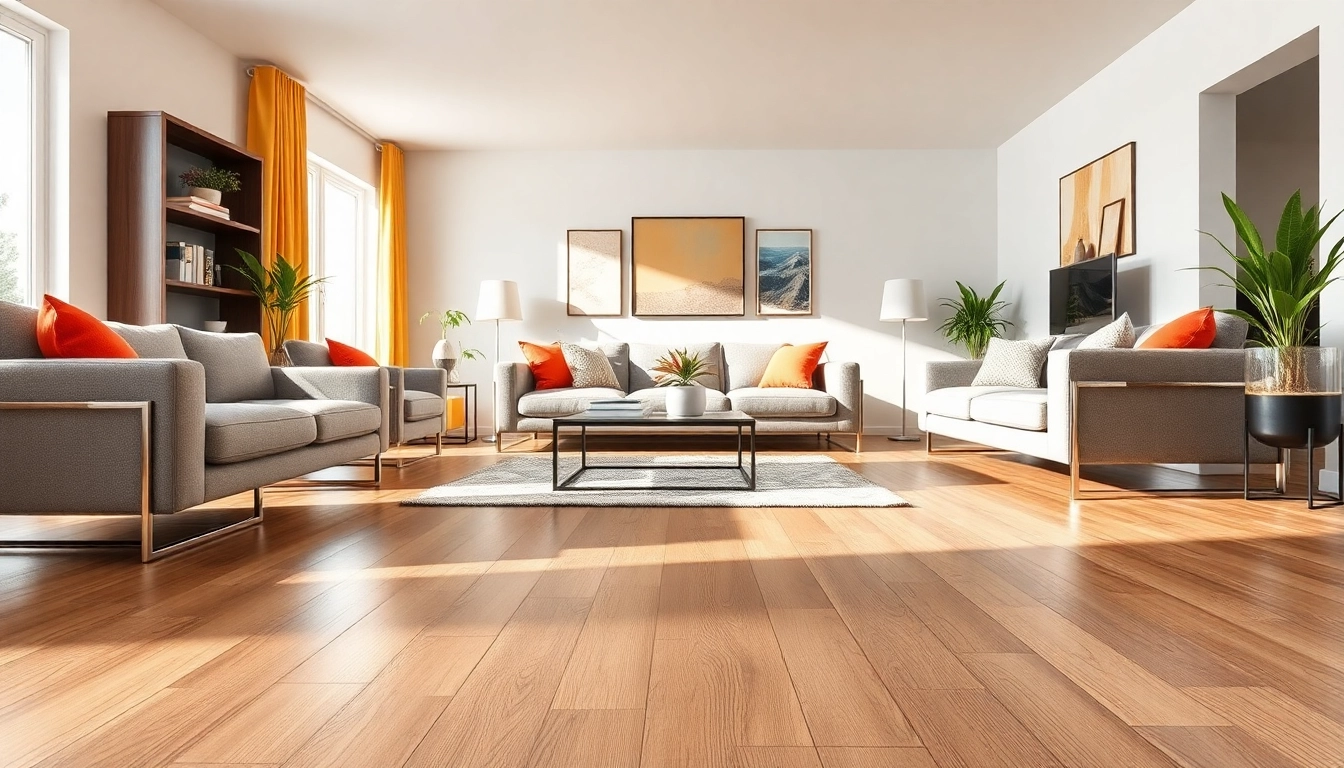
- Wood Look: Replicating the appearance of different wood species, from oak to walnut, this style remains a favorite.
- Stone Look: Laminate can simulate natural stone surfaces such as slate, providing a rustic or modern aesthetic without the high costs.
- Patterned Options: For those looking to make a statement, patterned laminates can add unique character to a space.
Installation Process for Laminate Flooring
The installation process of laminate flooring is often what attracts DIY enthusiasts. With the right tools and guidelines, most homeowners can confidently install laminate flooring on their own.
Tools Required for Installation
- Measuring tape
- Utility knife
- Jigsaw or circular saw
- Pull bar and tapping block
- Spacing wedges
- Rubber mallet
- Level for checking subfloors
Step-by-Step Installation Guide
Here’s a simplified installation guide for those looking to take on the project themselves:
- Prepare the Subfloor: Ensure the surface is clean, dry, and level. Remove any existing flooring if necessary.
- Acclimate the Laminate: Allow the laminate planks to acclimate to room temperature for 48 hours.
- Layout the Flooring: Plan the layout to avoid narrow pieces at the edges. Use a chalk line to mark straight lines for installation.
- Install the Underlayment: Roll out the underlayment, which serves as a moisture barrier and sound insulator.
- Starting Installation: Begin at one corner and lay the first plank, using spacers for expansion gaps. Continue adding planks in a staggered pattern.
- Finish with Baseboards: Once installed, add baseboards or moldings to cover expansion gaps for a polished look.
Professional Installation vs. DIY
While many are tempted to tackle laminate installation independently, understanding the pros and cons of both approaches is crucial. DIY installation can save significant money and allow for full creative control over the project. However, hiring a professional ensures expertise and potentially faster completion. When deciding between the two, consider your skill level, available tools, and time commitment.
Caring for Your Laminate Flooring
Proper care and maintenance can significantly enhance the lifespan and appearance of your laminate flooring. By following some essential guidelines, you can keep your floors looking pristine.
Cleaning Tips for Longevity
- Regular Sweeping: Use a soft-bristle broom or vacuum (without a beater bar) to remove dirt and debris.
- Use a Damp Mop: For deeper cleaning, use a damp mop with a laminate cleaning solution; avoid excessive water to prevent damage.
- Spot Clean: Wipe spills immediately with a soft, dry cloth to prevent staining.
Protective Measures to Avoid Damage
Preventive measures can go a long way in protecting your laminate flooring:
- Area Rugs: Place area rugs in high-traffic zones, and consider using doormats at entryways to minimize dirt and moisture entering.
- Felt Pads Behind Furniture: Attach felt pads to furniture legs to prevent scratching when moved.
- Avoid Wearing High Heels: Be cautious with shoes that can dent or damage the surface.
Common Repairs and Maintenance Practices
Despite the tough nature of laminate, occasional repairs may be necessary. Some common practices include:
- Replacing Damaged Planks: If scratch-resistant surfaces are compromised, individual planks can often be replaced without needing to re-do the entire flooring.
- Refinishing: Unlike hardwood, laminate cannot be sanded down and refinished. It is essential to maintain its condition from the start.
- Consulting Professionals: For significant damage or wear, professional assessments can recommend the best repair options.
FAQs About Laminate Flooring
Can laminate flooring be installed in wet areas?
Some laminates are water-resistant, making them suitable for kitchens and bathrooms. However, proper installation and sealing are required.
How do I clean laminate flooring properly?
Regular sweeping followed by damp mopping with a laminate floor cleaner is ideal. Avoid excessive moisture to prevent damage.
Is laminate flooring eco-friendly?
Most laminate flooring is made from recycled materials, making it a more eco-friendly option compared to solid hardwood. Check for certifications for more information.
What are the lifespan and warranty for laminate?
Laminate flooring typically lasts around 15-25 years, depending on quality and maintenance. Warranties usually range from 10 to 30 years.
Can laminate be re-finished like hardwood?
Laminate cannot be sanded or refinished. Once worn or damaged, replacement is the primary option for restoration.