
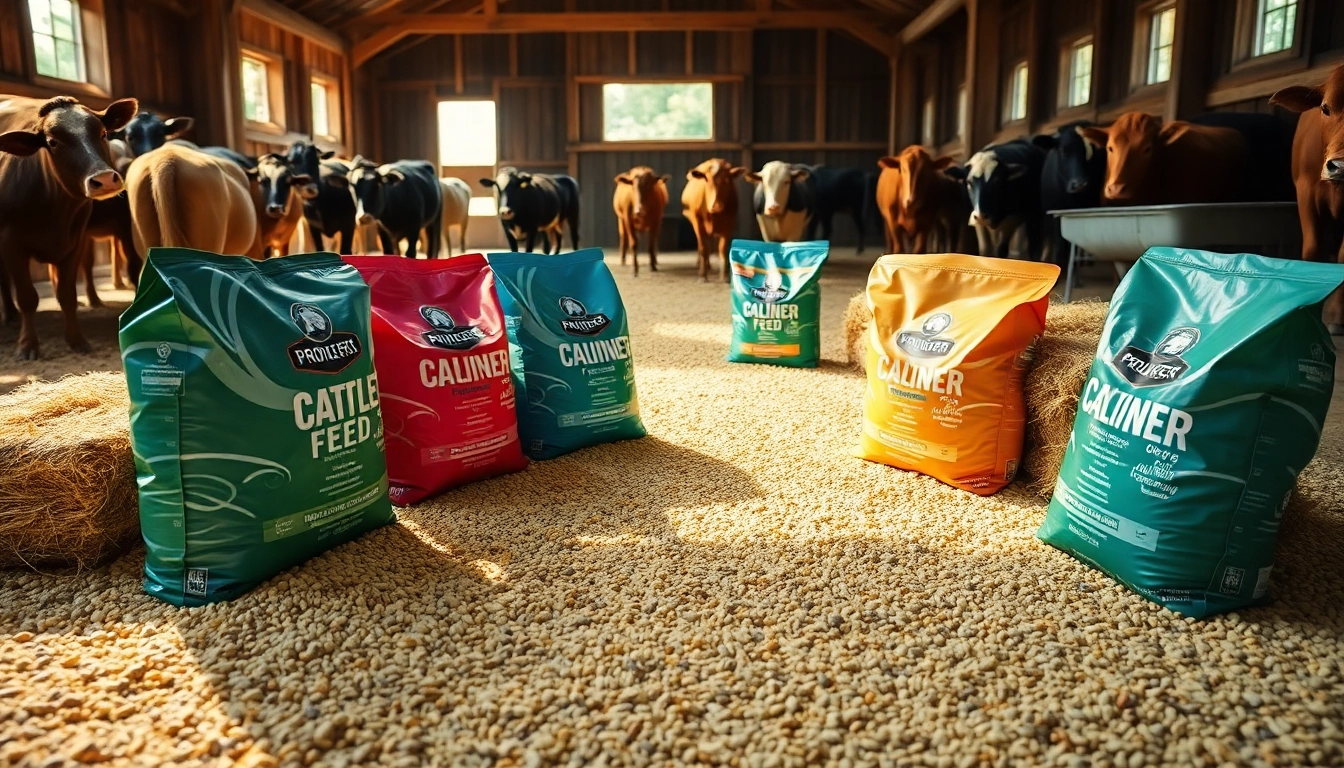
Understanding Cattle Feed Types
Cattle feed is the cornerstone of a healthy livestock operation. In the quest for maximum herd productivity, understanding the varieties and nuances of cattle feed is essential. Cattle Feed types range from roughages to concentrates, each serving unique purposes in the nutritional landscape of livestock. Understanding these types can help farmers tailor their feeding strategies to ensure optimal growth, reproduction, and overall cattle health.
Essential Nutritional Components of Cattle Feed
The nutritional components of cattle feed can be categorized into four primary macronutrients: carbohydrates, proteins, fats, and fibers. Each element plays a distinct role in supporting cattle health. Carbohydrates provide energy, proteins are crucial for growth and tissue repair, fats supply concentrated energy, and fibers support digestive health.
- Carbohydrates: Found in grains and forages, they are vital for energy. For high-performing cattle, a balance between simple and complex carbohydrates is essential.
- Proteins: Essential for building muscle and supporting reproduction, protein sources can include soybean meal, alfalfa, and various by-products.
- Fats: While needed in smaller quantities, fats can enhance energy density in feed and assist in vitamin absorption.
- Fibers: Necessary for proper digestion, effective fiber sources include hay and silage, which promote healthy rumination.
Different Cattle Feed for Various Life Stages
Cattle feed requirements vary across different life stages, such as calves, growing heifers, pregnant cows, and lactating mothers. Each stage has specific dietary needs to reach optimal health and productivity.
- Calves: Require starter feeds rich in protein and energy to support rapid growth.
- Growing Heifers: Need feeds that promote healthy growth while preparing for future reproduction.
- Pregnant Cows: Require a balanced diet that supports fetal development and maternal health.
- Lactating Cows: Need high-energy feeds rich in proteins to support milk production.
Common Additives in Cattle Feed
Feed additives have become common in the cattle feed industry to enhance performance, health, and digestion. Common additives include:
- Mineral Supplements: Important for preventing deficiencies and promoting health.
- Probiotics: Support gut health and nutrient absorption.
- Growth Promoters: Utilize naturally occurring hormones to enhance growth rates.
- Antioxidants: Protect cells from damage and enhance immune function.
Benefits of High-Quality Cattle Feed
Implementing high-quality cattle feed can yield numerous benefits, not just for the cattle themselves but also for the profit margins of farmers and ranchers.
Improving Overall Herd Health with Nutritious Cattle Feed
High-quality cattle feed can substantially improve herd health, reducing veterinary costs and enhancing productivity. Proper nutrition leads to stronger immune systems, reducing the incidence of diseases. Healthy cattle exhibit better weight gain, increased fertility rates, and overall improved longevity.
Boosting Growth and Production from Cattle Feed
The right balance of nutrients in cattle feed directly impacts growth rates and productivity. The consumption of quality feed leads to enhanced muscle development and weight gain, ultimately producing healthier and more marketable beef. Farms that consistently utilize quality cattle feed typically report higher carcass quality and better grading in meat production.
Enhanced Fertility Rates with Proper Cattle Feed
A vital yet often overlooked benefit of proper nutrition is its role in fertility. Studies have shown that well-fed cattle experience higher conception rates and shorter calving intervals, ultimately leading to improved herd profitability. Ensuring cattle receive the necessary nutrients—especially during breeding seasons—can keep reproductive performance at peak levels.
How to Choose the Right Cattle Feed
Selecting the appropriate cattle feed is crucial for effective herd management. Factors to take into account include the age, weight, and health of the cattle, as well as seasonal dietary requirements.
Factors to Consider When Selecting Cattle Feed
Several elements come into play when deciding on the type of cattle feed to purchase. These include:
- Age and Weight: Different life stages have varied nutritional requirements, as discussed earlier.
- Feed Quality: Quality assurance protocols should be implemented to ensure feed is free from contaminants.
- Cost-Effectiveness: While cheap feed may be appealing, it’s essential to balance cost with the expected gains in herd health and productivity.
- Source and Supply: Consistency and reliability of the feed source can significantly impact herd management.
Matching Cattle Feed to Herd Specific Needs
Every herd is unique, and cattle feed should be customized accordingly. Conducting a nutritional assessment can provide insights needed for tailoring feed to the specific health conditions and production goals of the herd. Collaborating with an animal nutritionist can also facilitate these adjustments.
Consulting with Nutritionists for Cattle Feed Choices
Nutritional experts can provide critical guidance in formulating feed rations. They can assess the specific nutritional needs of your cattle and recommend appropriate feed types and quantities. Additionally, they can suggest feed alternatives during price fluctuations or supply issues.
Best Practices for Feeding with Cattle Feed
Maximizing the benefits of cattle feed involves implementing best practices in feeding strategies to ensure cattle receive the right nutrition.
Optimal Feeding Techniques
Feeding techniques can have a significant impact on how efficiently cattle acquire nutrients. Techniques such as targeted feeding schedules, ensuring fresh feed is readily available, and providing clean water all contribute to improved nutrient intake and overall health.
Monitoring Feed Intake and Adjustments
Regular monitoring of feed intake is crucial to ensure that all cattle are consuming adequate amounts. Adjustments may be necessary based on weight gain patterns, health status, or environmental changes. Using scales and keeping meticulous records can facilitate these adjustments.
Common Feeding Mistakes to Avoid
To maximize the benefits of cattle feed, farmers should be aware of common pitfalls such as:
- Incorrectly balancing diets, leading to deficiencies or excesses.
- Ignoring the importance of water availability, which can affect intake.
- Failure to transition cattle gradually to new feeds, which may disrupt digestion.
- Neglecting to assess feed quality over time.
FAQs about Cattle Feed
What is the best cattle feed for weight gain?
High-protein cattle feeds designed for growth can help achieve optimal weight gain, offering essential nutrients to support muscle development.
How often should cattle be fed?
It’s generally recommended to feed cattle twice a day in regulated portions to maintain consistent nutrient intake.
Can I mix different types of cattle feed?
Yes, mixing feeds can provide a more balanced diet tailored to the nutritional needs of your cattle, enhancing health and productivity.
What signs indicate poor cattle feed?
Signs such as decreased appetite, weight loss, and health issues can indicate feed quality problems that need investigation.
How can I store cattle feed correctly?
To avoid spoilage and maintain quality, store cattle feed in a cool, dry place away from pests and moisture.
Contact Information
Call Us: +1 780-888-4601
Email: [email protected]
Address: 4915 52nd Ave, Hardisty, AB, Canada, T0B 1V0
